Abstract Blue Striped Marble Backgrounds for Modern Design
The Visual Language of Blue Stripes and Marble
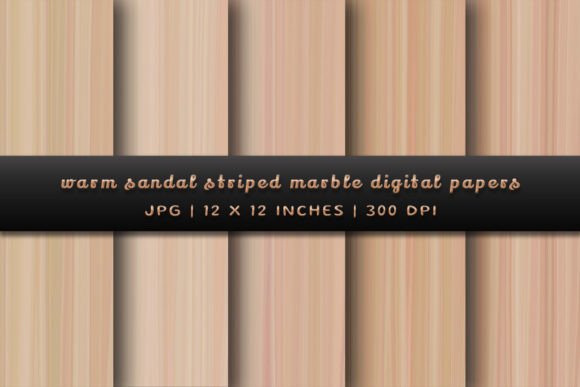
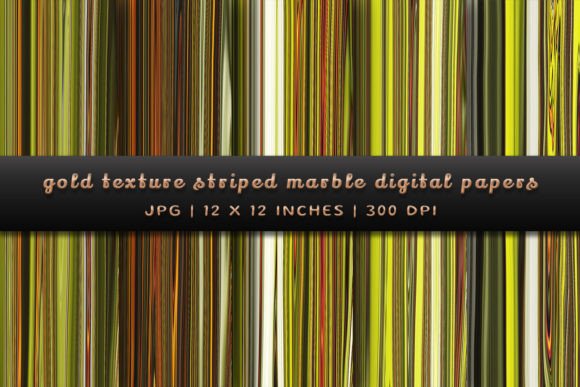
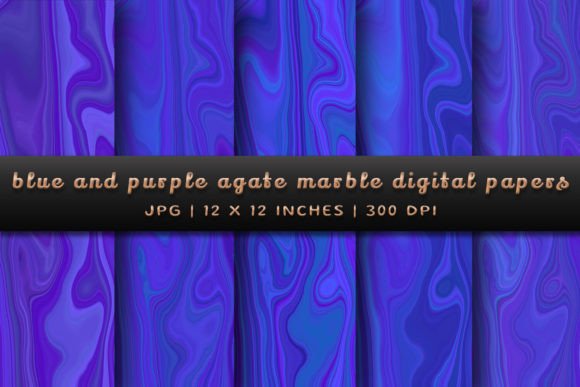
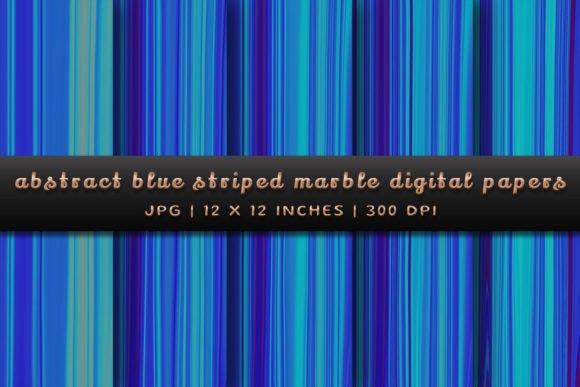
Abstract Blue Striped Marble Backgrounds offer a distinct visual texture that blends the organic, fluid patterns of marble with structured, contemporary lines. The result is a digital paper that feels both natural and designed. The blue color palette typically ranges from deep navy to soft sky tones, creating a sense of depth and calm. The "striped" element isn't always literal; it can manifest as veins, overlays, or geometric accents woven into the marble's swirls. This fusion creates a versatile aesthetic—professional enough for corporate branding yet artistic enough for creative projects. It's a background that suggests quality and thoughtfulness without overwhelming the foreground content.
The appeal lies in its balanced personality. It carries the timeless elegance of marble, a material associated with luxury and permanence, while the abstract stripes inject a modern, graphic sensibility. This makes it a powerful design asset for projects that need to bridge classic and contemporary styles. Whether used as a full backdrop or a subtle texture panel, it provides instant sophistication. The high-resolution 300 DPI files ensure this detail is preserved in print, making them reliable for sublimation projects where color fidelity and sharpness are non-negotiable.
Practical Applications Across Creative Projects
Understanding where these backgrounds excel helps you leverage their full potential. In brand identity work, they can serve as a foundation for business cards, letterheads, and presentation templates, especially for brands in tech, consulting, finance, or luxury services that want to project stability and innovation. For packaging design, a textured blue marble paper can elevate product boxes, sleeves, or labels for items like cosmetics, specialty foods, or tech accessories, adding a tactile illusion of quality.
In the digital realm, their use is extensive. Web designers can employ them as hero section backgrounds, blog post featured images, or subtle website textures to break monotony. For social media graphics, they create eye-catching posts for quotes, announcements, or promotional content that stands out in a crowded feed. Content creators and bloggers can use them as featured image backgrounds for articles about design, business, or lifestyle, ensuring visual consistency across their platform.
- Editorial Design: Magazine covers, report backgrounds, and PDF guide layouts gain a polished, authoritative feel.
- Crafting & Hobby Projects: Perfect for sublimation on mugs, coasters, phone cases, or fabric for a custom, professional finish.
- Marketing Collateral: Flyers, posters, and digital ads benefit from the background's ability to make text and key visuals pop when used with proper contrast.
Integrating the Background into Your Design Workflow
Simply having a beautiful asset isn't enough; effective integration is key. When choosing to use Abstract Blue Striped Marble Backgrounds, first consider your project's core message. Does the serene yet structured vibe align with the tone you need to set? It's an excellent choice for conveying trust, clarity, and modern professionalism. Evaluate the specific patterns within the collection—some may have bolder stripes, others more subtle veining. Select the variant that best complements, rather than competes with, your primary content.
A critical step is testing font pairing. The background's complexity means your typography must be highly legible. Pair it with a clean, strong sans serif font for headlines and body text to ensure readability. A bold display font can work for large titles, but avoid overly ornate script fonts or handwritten fonts for body copy, as they can get lost. Always check color contrast; white or very light text often works well against deeper blue tones, while dark navy text can anchor lighter sections. Use the background as a supporting element, not the main actor. It should frame your content, not engulf it.
From a practical standpoint, these are high-quality JPG files at 12x12 inches and 300 DPI, making them ready for most print and digital needs. The ZIP file delivery is standard, but ensure you extract the files before use. For commercial projects, verify the licensing terms are clear for your intended use, whether for physical products sold online or digital templates distributed to clients. Treating these backgrounds as a premium part of your design toolkit means using them intentionally to elevate specific projects where their unique aesthetic adds genuine value, rather than applying them generically. This thoughtful approach ensures your work remains professional and impactful.